Ledger Login: A Complete Guide to Securely Accessing Your Ledger Wallet
As the crypto world continues to expand, security has become the top priority for investors who want to protect their digital wealth. Ledger, a leading name in hardware wallet technology, offers one of the safest methods for storing and managing cryptocurrencies. One essential part of using a Ledger hardware wallet is understanding the Ledger login process—the secure way you access your wallet through the Ledger Live application.
Unlike traditional accounts that rely solely on usernames and passwords, the Ledger login system uses a combination of offline hardware security and software verification. This approach significantly reduces the risks of hacking, phishing, and unauthorized access, making Ledger one of the most trusted solutions for crypto holders.
What Is Ledger Login?
The term "Ledger login" refers to the process of connecting and authenticating your Ledger hardware wallet within Ledger Live, the official software used to manage your crypto accounts. While most online systems require credentials stored on a server, Ledger takes a different approach.
Ledger login does not require a typical web-based username or password. Instead, your authentication relies on:
Your physical Ledger device
Your private PIN code
Your Ledger Live app connection
Because your private keys are stored inside an offline hardware device, they are never exposed to the internet. This makes the login process far more secure than conventional digital wallets.
How Ledger Login Works
To access your crypto assets through Ledger Live, you must authenticate using your hardware wallet. Let’s break down the steps that make up the Ledger login process:
1. Install and Launch Ledger Live
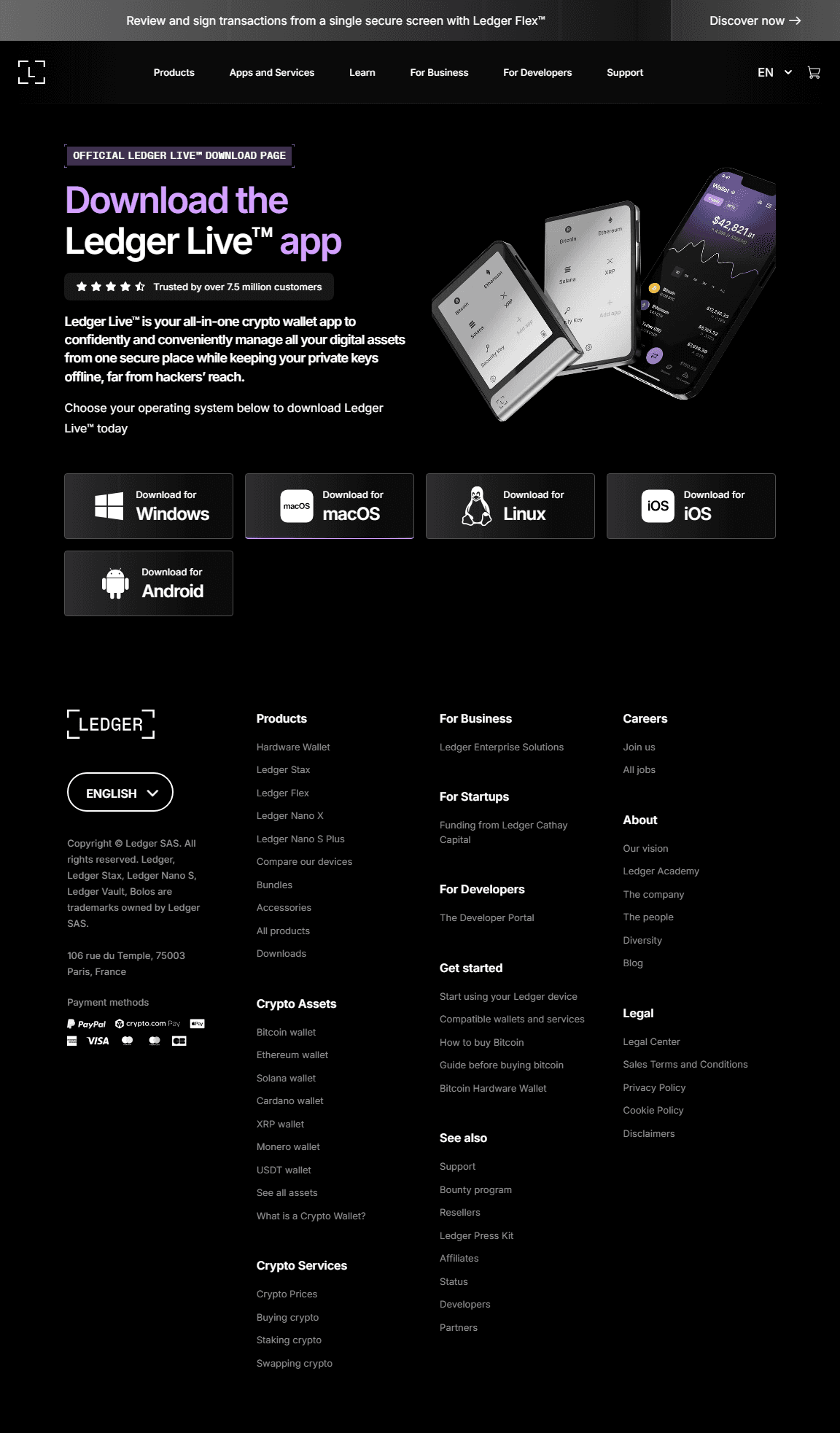
Before logging in, you need to download Ledger Live from the official Ledger website. After installation, open the app and allow it to detect your device.
2. Connect Your Ledger hardware wallet
Using a USB cable (or Bluetooth for Ledger Nano X mobile users), connect your Ledger device to your computer or smartphone. The device will immediately prompt you to enter your PIN code.
3. Enter Your PIN Safely
Your PIN is the first security layer of the Ledger login process.
You must enter it directly on the hardware wallet using the side buttons. If you incorrectly enter the PIN too many times, the device will reset to protect your data. After entering the correct PIN, your device becomes “unlocked.”
4. Ledger Live Authentication
Once your device is unlocked, Ledger Live automatically recognizes it. The app may ask you to open a specific blockchain app (such as Bitcoin or Ethereum) on your device. This ensures that your hardware wallet and Ledger Live are interacting with the correct network.
5. Confirm Actions on the Device
Any action you initiate in Ledger Live (such as sending crypto or updating firmware) must be manually confirmed on your Ledger device. This secondary confirmation step ensures your private keys stay offline and transactions cannot be executed without your approval.
Why Ledger Login Is More Secure Than Standard Logins
Traditional logins rely on passwords stored in servers or local files—making them vulnerable to phishing attacks, malware, and database breaches. Ledger eliminates these risks using a hardware-based approach.
Here’s why Ledger login is exceptionally secure:
1. Private Keys Are Never Online
Your private keys never leave your Ledger hardware wallet. Even Ledger Live cannot access them. This prevents hackers from stealing your crypto through digital vulnerabilities.
2. Physical Confirmation Required
Transactions cannot be completed unless you physically confirm them on the Ledger device. Even if your computer is infected with malware, your funds remain safe.
3. Recovery Phrase Protection
Instead of account recovery through email or passwords, Ledger uses a 24-word recovery phrase, kept offline. This phrase is the ultimate backup but must never be entered online during the login process.
4. Protection Against Phishing Sites
Since Ledger login does not rely on a website login page, it avoids one of the most common threats in crypto—fake “login pages” designed to steal credentials.
Common Ledger Login Issues and Solutions
While the Ledger login process is straightforward, some users may encounter challenges. Here are common issues and their solutions:
1. Device Not Recognized by Ledger Live
Try:
Updating Ledger Live
Restarting your computer
Using a different USB port or cable
Updating the firmware on your Ledger device
2. Wrong PIN Attempts
If you forget your PIN, the device will reset after several incorrect attempts. You can restore your wallet using your 24-word recovery phrase.
3. Bluetooth Problems (Nano X)
If using a mobile device:
Reset Bluetooth settings
Ensure your Ledger is close enough
Restart both the device and your phone
4. Ledger Live Sync Issues
Refreshing accounts or checking for network updates usually solves this problem.
Best Practices for a Safe Ledger Login Experience
Here are essential safety tips for logging into your Ledger wallet:
Never type your recovery phrase into Ledger Live or any website
Only download Ledger Live from the official Ledger site
Use Ledger Live’s password lock feature
Keep firmware and Ledger Live updated
Avoid using your Ledger device on unfamiliar computers
Double-check every transaction on your hardware wallet screen
These practices help ensure your login process remains secure and efficient.
Conclusion
The Ledger login process is designed to give users maximum security without unnecessary complexity. By combining hardware authentication with software verification, Ledger offers one of the safest methods available for managing cryptocurrency assets. Whether you’re sending funds, checking your balance, or exploring staking opportunities, Ledger login ensures that your digital wealth remains protected from online threats.